
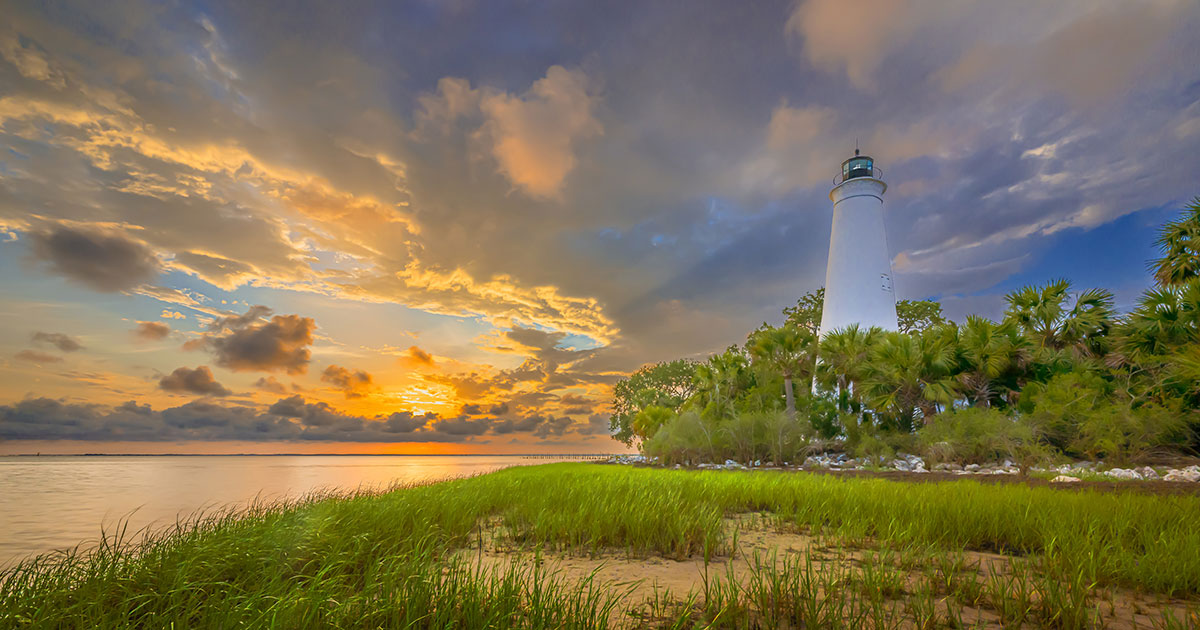
St. Marks National Wildlife Refuge
Established in 1931 to provide winter habitat for migratory birds, St. Marks National Wildlife Refuge is one of the oldest in the National Wildlife Refuge System. Spanning over 86,000 acres and including approximately 43 miles of the north Florida coast, the Refuge features coastal marshes, islands, tidal creeks, and estuaries of seven north Florida rivers. This Globally Important Bird Area offers seasonal highlights: spring migrations of warblers and shorebirds, summer flocks of white ibis, eastern kingbirds, and purple martins, and waterfowl in the fall and winter. We recommend visiting three locations within the Refuge: St. Marks Unit (Headquarters), Otter Lake Recreation Area, and Aucilla River, which are about 30 to 45 minutes apart by car.
*
Sites At This Location
St. Marks Unit
Spanning three counties, and with more than 300 recorded bird species, the 68,000-acre St. Marks NWR is a must-see. The St. Marks Unit includes refuge headquarters and the historic St. Marks Lighthouse; it's also the unit most popular with birders and wildlife viewers, for good reason.
Hours: 6:00 AM to sunset
Otter Lake Recreation Area
Though not as famous as the St. Marks Unit, St. Marks NWR's Panacea Unit offers good birding too. Make a quick trip to the picnic area and boat launch at the end to check the cypress for Prothonotary Warblers and occasional wading birds, or choose to hike one of the longer trails.
Hours: Sunrise to sunset
St. Marks Unit (Headquarters)

With more than 300 recorded bird species it won’t come as a surprise to learn that St. Marks NWR is regarded as one of the best birding sites in Florida. Stop at the visitor center for a map and check the sightings log; loaner optics are available. From here head to the helipad, which is good for wintering Henslow’s Sparrow; East River Pool is spectacular; look for wintering Vermilion Flycatchers in the roadside trees, and at dusk, big flocks of waders flyover; Stoney Bayou Pool and the Mounds Pools hold 20+ species of waterfowl in winter and 20+ species of shorebird during migration. Stoney Bayou #2 and Mounds Pool #3 provide the best opportunity to see American Black Ducks in Florida (December to February is best). In winter, the refuge offers tram tours around the impoundments. Headquarters Pond is good for Purple Gallinule. The Mounds Trail around Tower Pond is very good for migrant songbirds in spring. In April and May visit Tower Pool 2-3 hours before high tide for spectacular views of shorebirds; rarities like Hudsonian Godwit have been recorded and Gull-billed Terns are regular in early May. At the road’s terminus at the lighthouse, look for wintering waterbirds. Red-throated Loons are recorded annually. Lighthouse pond is good for wintering ducks including Canvasback. Butterfly viewing is best here in fall, especially September and October. Monarch butterflies congregate on their fall migration to Mexico; a Monarch festival is held in October. Along Lighthouse Dr., keep your eyes open for American Alligators, Bobcats, River Otters and Florida Black Bears.
Site Information
Admission Fee Required for Entry
Managed By: US Dept. of the Interior, Fish and Wildlife Service
Operational Hours: Daily, 6 a.m. to sunset.
Size: 46,347 acres
Entrance
St. Marks Unit
Address: 1255 Lighthouse Rd., St. Marks, FL 32355
View on Google Maps »
Otter Lake Recreation Area
Though not as famous as the St. Marks Unit, the Panacea Unit a.k.a Otter Lake offers good birding too. Look for migratory songbirds in the oaks around the picnic area and along the shoreline and in the cypress trees around the boat launch for Prothonotary Warblers (summer) and Little Blue Herons. You can opt to hike one of the longer trails: the south Piney Ridge Trail loop (5 miles) or the north Otter Lake Trail loop (9 miles). The latter runs through pinewoods interrupted by occasional bayheads and wetlands. Watch for Red-headed and Red-cockaded Woodpeckers, Wild Turkeys and Northern Bobwhites. At dusk, check the boat launch for Wood Storks, Snowy Egrets and both vultures coming to roost; an Osprey nest is visible at the site and you may see Bald Eagles in the winter months. Swallow-tailed Kites can be seen soaring overhead in spring and summer while raucous Red-shouldered Hawks are common.
Site Information
This Site is Free to Enter
View Seasonal Hunting Information
Managed By: US Dept. of the Interior, Fish and Wildlife Service
Operational Hours: Daily, sunrise to sunset.
Size: 788 acres
Entrance
Otter Lake Recreation Area
Address: Otter Lake Rd., Panacea, FL 32346
View on Google Maps »