
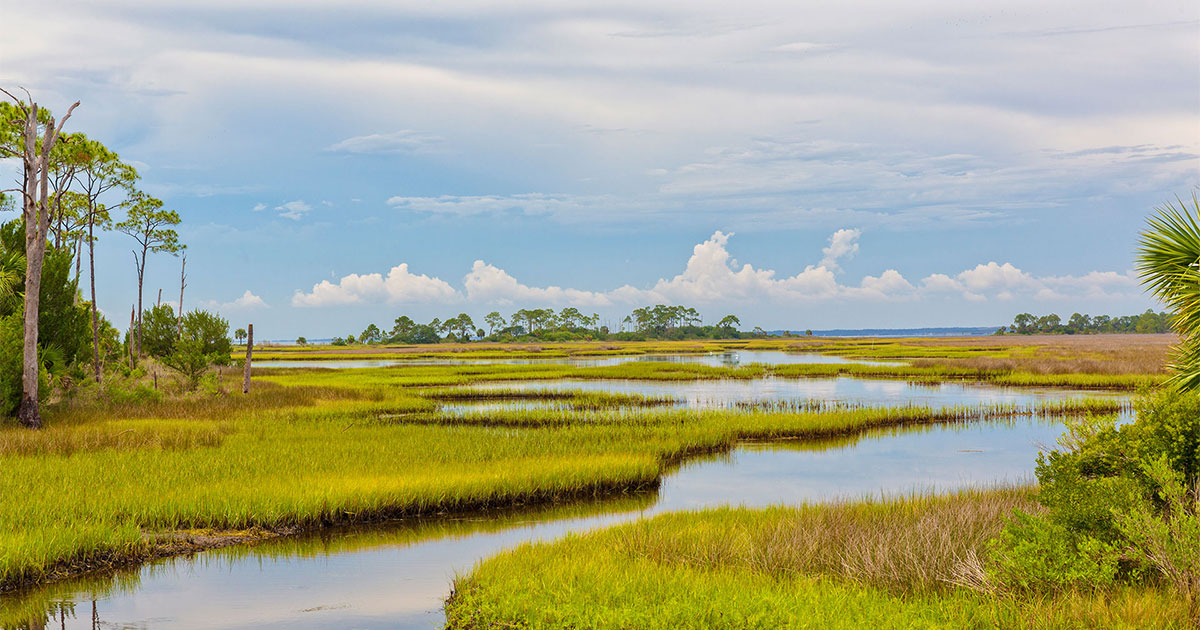
Everglades National Park
The Everglades is the largest sub-topical wilderness in the USA and the preeminent birding destination of South Florida with some of the largest wading bird populations in the U.S. There are many hotspots, but for the best birding experience we recommend three access points: the Main Entrance, the Gulf Coast Visitor Center and the Shark Valley Visitor Center. When planning your visit keep the park’s large size in mind. These access points are separated by an hour’s drive or more.
*
Sites At This Location
Shark Valley Visitor Center
Bike, walk or take the narrated tram tour down the 15-mile loop road that extends into this northern portion of the park's marsh ecosystem and ends at an elevated, wheelchair-accessible viewing tower. Excellent opportunities to see all the wading birds that this national park is famous for, including Wood Stork, Roseate Spoonbill, White and Glossy Ibis, and the uncommon Great White Heron. Also watch for Short-tailed Hawks, plus Snail, White-tailed and Swallow-tailed Kites.
Hours: 9:00 AM to 5:00 PM
Gulf Coast Visitor Center
Although most birders know of the many possibilities in Everglades National Park, not many are aware of this remote access that will take you into the aquatic parts of the park and the adjoining "Ten Thousand Islands" area. Narrated boat tours explore the mangrove estuary ecosystem where waders are plentiful and Magnificent Frigatebirds join the gulls and terns overhead. Winter brings loons and American White Pelicans, and the possibility of Short-tailed Hawks as well.
Hours: 8:00 AM to 4:30 PM
Main Entrance
The preeminent birding destination of South Florida, with many hotspots and some of the most abundant wading bird populations in the U.S. First, stop at the Ernest F. Coe Visitor Center for maps/ checklists; check native plants here for hummingbirds. Next, stop at the Royal Palm Visitor Center, where two excellent trails begin. The Anhinga Trail is a photographer's paradise, with stunning views of herons (American bitterns on occasion) and purple gallinules.
Hours: 24 hours
Shark Valley Visitor Center

Bike, walk or take the narrated tram tour down the 15-mile loop road that extends into this northern portion of the park’s marsh ecosystem and ends at an elevated, wheelchair-accessible viewing tower. Excellent opportunities to see all the wading birds that this national park is famous for, including Wood Stork, Roseate Spoonbill, White and Glossy Ibis, and the uncommon Great White Heron. Also watch for Short-tailed Hawks, plus Snail, White-tailed and Swallow-tailed Kites. Sunset is a particularly good time to be at the viewing tower, when many wading birds arrive to roost in the shrubs and trees (wax myrtle, cypress, pond apple and cocoplum) along the freshwater slough. Rent a bike or bring your own, or climb aboard the tram and enjoy a 2-hour tram tour narrated by a park naturalist or ranger. Bring plenty of water and insect repellent.
Site Information
Admission Fee Required for Entry
Managed By: US Dept. of the Interior, National Park Service
Operational Hours: Daily, 9 a.m. - 5 p.m.
Size: 144 acres
Gulf Coast Visitor Center
Although most birders know of the many possibilities in Everglades National Park, not many are aware of this remote access that will take you into the aquatic parts of the park and the adjoining “Ten Thousand Islands” area. Narrated boat tours explore the mangrove estuary ecosystem where waders are plentiful and Magnificent Frigatebirds join the gulls and terns overhead. Winter brings loons and American White Pelicans, and the possibility of Short-tailed Hawks as well. Adventurous birders can either rent a kayak on-site or bring their own and explore the backwaters of Chokoloskee Bay and Turner River without a guide. With backcountry permits, you can start your odyssey down the 99-mile Wilderness Waterway that will take you all the way to Flamingo.
Site Information
Admission Fee Required for Entry
Managed By: US Dept. of the Interior, National Park Service
Operational Hours: Daily, 8 a.m. - 4:30 p.m.
Size: 32 acres
Everglades National Park Main Entrance
The preeminent birding destination of South Florida, with many hotspots and some of the largest wading bird populations in the U.S. Stop at the Ernest F. Coe Visitor Center for maps/ checklists and then head to Royal Palm Visitor Center, where two fun trails begin. The Anhinga Trail is a photographer’s dream, with stunning close views of many birds and alligators. The Gumbo Limbo Trail is good for songbirds during winter and migration. From fall to spring, the 1st mile of Old Ingraham Hwy. can have Limpkins, Snail Kites, Mottled Ducks and Least Bitterns. Check Research Rd. for White-tailed Kites. The Long Pine Key area offers Brown-headed Nuthatches. Along Main Park Rd., look for soaring Short-tailed Hawks (dark morph is more common). Mahogany Hammock’s boardwalk is home to Barred Owls and wintering/ migrating warblers. Paurotis Pond often hosts Wood Storks, and Roseate Spoonbills. White-crowned Pigeons may be found at Nine-Mile Pond and along Main Park Rd. to Flamingo. At West Lake, check for winter warblers along the boardwalk trail. Patient birders may see Mangrove Cuckoos between the Snake Bight Trail and Flamingo; they become more vocal and easier to find in spring. Waterfowl and waders can be abundant at Mrazek Pond. The Flamingo Visitor Center lies at the end of the road; look for Manatees and American Crocodiles in the marina. Contact the park to learn more about their tours and programs, including accessible citizen science on the Nature’s Notebook Boat Tour.
Site Information
Admission Fee Required for Entry
Managed By: US Dept. of the Interior, National Park Service
Operational Hours: Daily, 24 hours.
Size: 639 acres