Apalachicola National Estuarine Research Reserve: Unit 4

This small preserve on the sound side of St. George Island is a nice companion to the larger, more well-known migrant fallout site at St. George Island State Park. Unmarked trails leading off from the parking area at the end of 6th St. wind through a coastal pine forest and give vantages of the sound and shoreline.
» Visit this Site

Bald Point State Park

Its geography and location provide a prime vantage of the raptor and songbird migration in September and October. Overwintering shorebirds like Piping Plovers and Dunlin use the beach and estuary. In spring, migratory songbirds like Yellow-billed Cuckoos and Indigo Buntings make landfall in the park's hammocks.

» Visit this Site

Bloody Bluff Tract

Along the drive down Bloody Bluff Rd., watch the edges for sparrows including Chipping, Swamp and Song, and listen in spring for Bachman's Sparrows. The river trail near the boat ramp at the end of the road can be good for songbirds like Yellow-throated Warblers and Blue-headed Vireos, and Swallow-tailed and Mississippi Kites frequent the river run.

» Visit this Site

Cash Bayou

If you're traveling between Sumatra and Eastpoint, it's worth taking a moment to pull off at the edge of Cash Bayou to take in the scenery, scan for waterbirds like Bald Eagles and American Bitterns, and check the brief trails for songbirds.

» Visit this Site

Deep Creek Tract

Two miles of dirt roads along the Deep Creek Tract give you quick, easy access to a wet prairie in the Apalachicola River basin. Insect eating pitcher plants line the ditches around this prairie, which measures several hundred acres.

» Visit this Site

High Bluff Coastal Hiking Trail

Catch a glimpse of the vast, 202,437-acre Tate's Hell State Forest on this scenic trail. From either of the two parking areas on US 98, a nature trail leads 4 miles through sand pine scrub good for Brown-headed Nuthatches, Red-bellied Woodpeckers and Eastern Towhees year-round.

» Visit this Site

Old Agricultural Fields

This part of the Wildlife and Environmental Area lies on the river's west side and includes roughly 1,100 acres of old agricultural fields managed for hunting deer, turkey and quail. The same management techniques that benefit these species also make the area prime for sparrows, including the usual Swamp, Song and Savannah, plus the less common White-throated, White-crowned, Field, Vesper and Grasshopper, among others.

» Visit this Site

Sand Beach

Sand Beach Rd. ends at a canoe/kayak launch, pier and viewing tower, in a nice hammock where Yellow-throated Warblers and Brown-headed Nuthatches are possible. Scan the reeds for waders like Little Blue Herons and from the tower, scope East Bay for loons, grebes and wintering ducks.

» Visit this Site

St. George Island State Park

St. George Island State Park is regularly rated one of Florida's most beautiful beaches, but what all the beachgoers don't realize is that it is one of the best birding spots in the state, particularly during spring and fall migration.

» Visit this Site

St. Vincent National Wildlife Refuge

This extremely rustic refuge is under-birded in large part because it takes some effort to access it. Cross Indian Pass either by the private ferry or with your own boat. This barrier island is very large: prepare to hike the extensive sand roads or bring a bike. Be sure to pick up a map at the refuge office in Apalachicola, at the Indian Pass boat ramp, or download one online, and don't forget water and bug spray!

» Visit this Site

Woody’s Walk at Scipio Creek

While you're in the City of Apalachicola sampling the fresh local seafood, make time to stroll this marvelous 0.5 mile trail, which is steeped in history. It leads to a sizeable, elevated platform (complete with bench seats) with an incredible panoramic vista of a tidal creek, freshwater marsh and a pre-Columbian mound complex. Look for migrants like Prothonotary Warbler and Summer Tanager, and resident Clapper Rails, Marsh Wrens and Seaside Sparrows.

» Visit this Site

Wright Lake

Here in the national forest, prescribed fire is used to keep pinewoods healthy, making it one of the best places to see Red-cockaded Woodpeckers and Bachman's Sparrows. Spring mornings are best for spotting both, when sparrow males are singing and woodpeckers are busy coming and going from their nest cavities.

» Visit this Site

Apalachicola National Estuarine Research Reserve: Unit 4

This small preserve on the sound side of St. George Island is a nice companion to the larger, more well-known migrant fallout site at St. George Island State Park. Unmarked trails leading off from the parking area at the end of 6th St. wind through a coastal pine forest and give vantages of the sound and shoreline.

Bald Point State Park

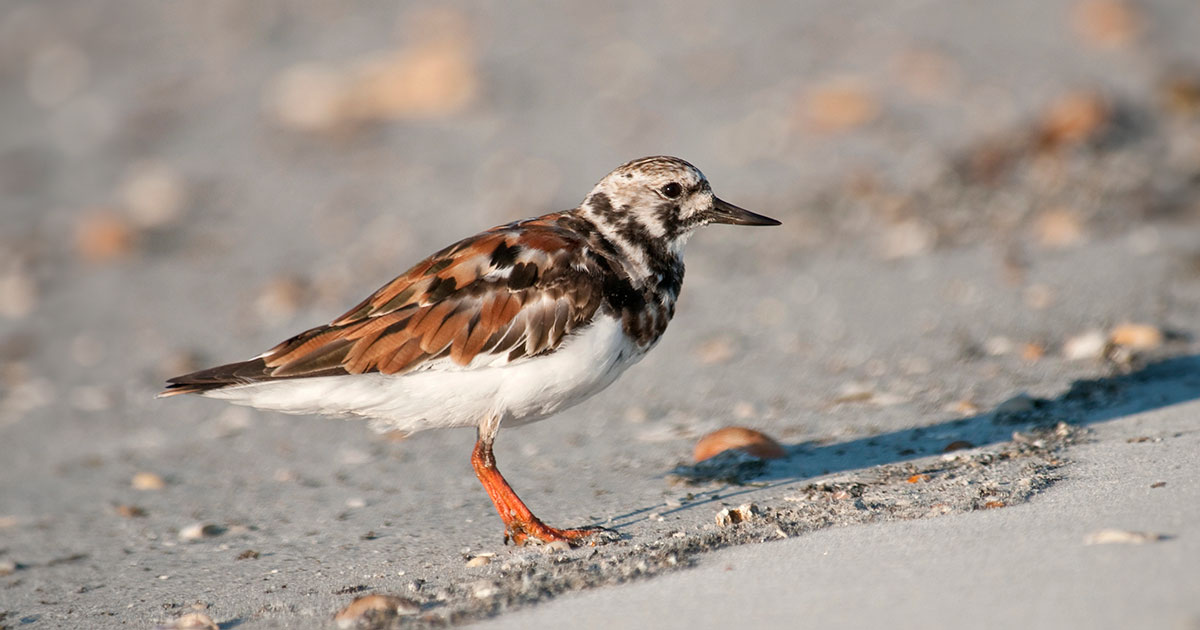
Ruddy Turnstone

Its geography and location provide a prime vantage of the raptor and songbird migration in September and October. Overwintering shorebirds like Piping Plovers and Dunlin use the beach and estuary. In spring, migratory songbirds like Yellow-billed Cuckoos and Indigo Buntings make landfall in the park’s hammocks.

Bloody Bluff Tract

Along the drive down Bloody Bluff Rd., watch the edges for sparrows including Chipping, Swamp and Song, and listen in spring for Bachman’s Sparrows. The river trail near the boat ramp at the end of the road can be good for songbirds like Yellow-throated Warblers and Blue-headed Vireos, and Swallow-tailed and Mississippi Kites frequent the river run.

Cash Bayou

If you’re traveling between Sumatra and Eastpoint, it’s worth taking a moment to pull off at the edge of Cash Bayou to take in the scenery, scan for waterbirds like Bald Eagles and American Bitterns, and check the brief trails for songbirds.

Deep Creek Tract

Two miles of dirt roads along the Deep Creek Tract give you quick, easy access to a wet prairie in the Apalachicola River basin. Insect eating pitcher plants line the ditches around this prairie, which measures several hundred acres.

High Bluff Coastal Hiking Trail

Catch a glimpse of the vast, 202,437-acre Tate’s Hell State Forest on this scenic trail. From either of the two parking areas on US 98, a nature trail leads 4 miles through sand pine scrub good for Brown-headed Nuthatches, Red-bellied Woodpeckers and Eastern Towhees year-round.

Old Agricultural Fields

This part of the Wildlife and Environmental Area lies on the river’s west side and includes roughly 1,100 acres of old agricultural fields managed for hunting deer, turkey and quail. The same management techniques that benefit these species also make the area prime for sparrows, including the usual Swamp, Song and Savannah, plus the less common White-throated, White-crowned, Field, Vesper and Grasshopper, among others.

Sand Beach

Sand Beach Rd. ends at a canoe/kayak launch, pier and viewing tower, in a nice hammock where Yellow-throated Warblers and Brown-headed Nuthatches are possible. Scan the reeds for waders like Little Blue Herons and from the tower, scope East Bay for loons, grebes and wintering ducks.

St. George Island State Park

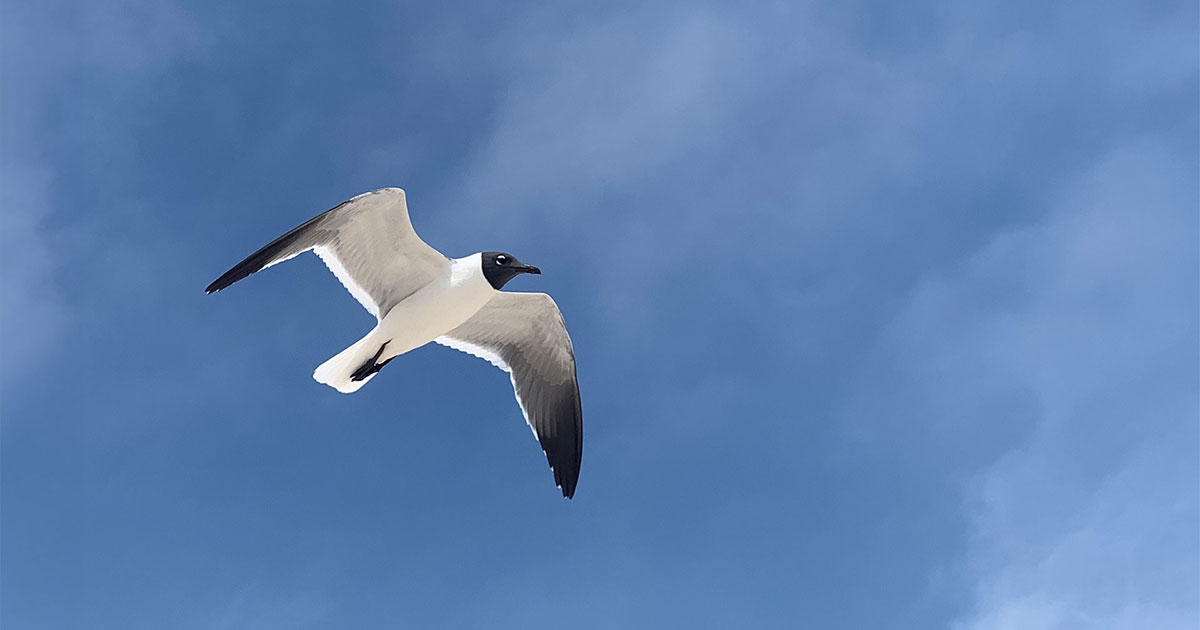
Laughing Gull

St. George Island State Park is regularly rated one of Florida’s most beautiful beaches, but what all the beachgoers don’t realize is that it is one of the best birding spots in the state, particularly during spring and fall migration.

St. Vincent National Wildlife Refuge

This extremely rustic refuge is under-birded in large part because it takes some effort to access it. Cross Indian Pass either by the private ferry or with your own boat. This barrier island is very large: prepare to hike the extensive sand roads or bring a bike. Be sure to pick up a map at the refuge office in Apalachicola, at the Indian Pass boat ramp, or download one online, and don’t forget water and bug spray!

Woody’s Walk at Scipio Creek

While you’re in the City of Apalachicola sampling the fresh local seafood, make time to stroll this marvelous 0.5 mile trail, which is steeped in history. It leads to a sizeable, elevated platform (complete with bench seats) with an incredible panoramic vista of a tidal creek, freshwater marsh and a pre-Columbian mound complex. Look for migrants like Prothonotary Warbler and Summer Tanager, and resident Clapper Rails, Marsh Wrens and Seaside Sparrows.

Wright Lake

Here in the national forest, prescribed fire is used to keep pinewoods healthy, making it one of the best places to see Red-cockaded Woodpeckers and Bachman’s Sparrows. Spring mornings are best for spotting both, when sparrow males are singing and woodpeckers are busy coming and going from their nest cavities.