Bahia Honda State Park

This site offers the best of Keys birding habitats: tropical hardwood hammock, coastal berm and beach/dune communities. Walk the two short nature trails at either end of the park, and drive or bike the roadway slowly watching the sea grape and poisonwood trees for White-crowned Pigeons and warblers feeding on the fruits. Low tide along the beach offers shorebirds and waders in the wrackline.
» Visit this Site

Big Cypress National Preserve

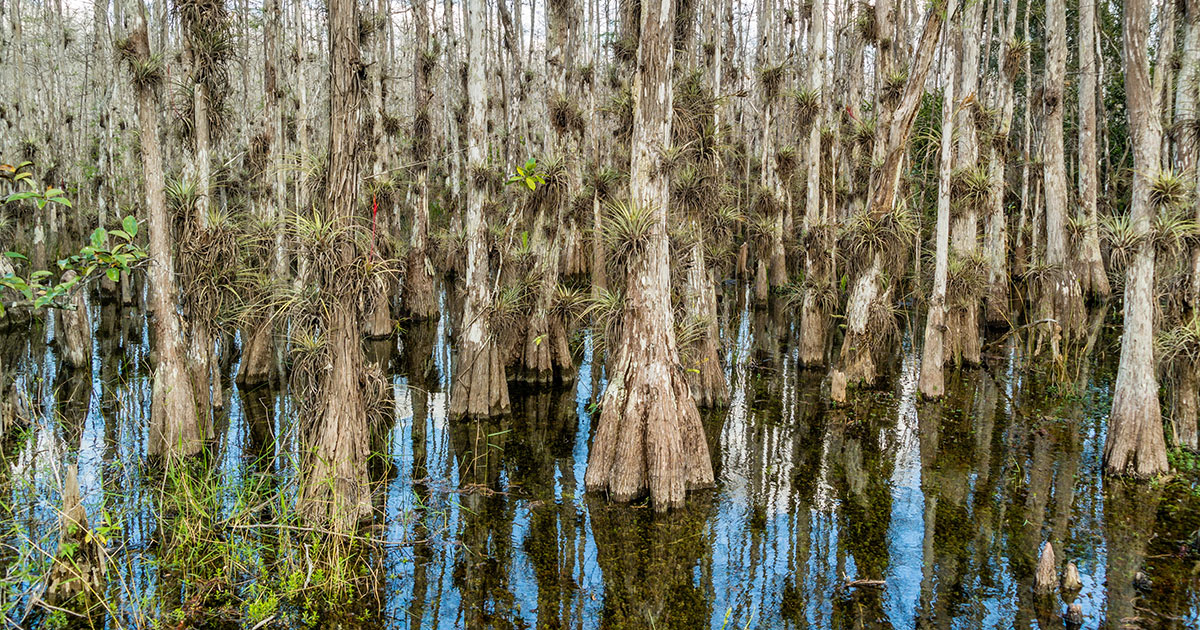
This expansive preserve is a good place to spend the whole day (or several days) exploring what the Everglades ecosystem and Big Cypress Swamp have to offer. Stop at either the Oasis Visitor Center or Big Cypress Swamp Welcome Center for a map and in-depth information. Loop Road (CR 94) is a 24.5-mile scenic drive ... Read more

» Visit this Site

Crane Point Museum and Nature Center

This 63-acre site is a tropical oasis amidst the development in the middle Keys. Thatch palm and tropical hardwood hammock, along with occasional freshwater ponds, provide habitat for both resident and migrating warblers, vireos, tanagers and thrushes. White-crowned Pigeons can be found in the canopies looking for poisonwood berries. A trail loop system with educational signage takes you through four hammock types.

» Visit this Site

Curry Hammock State Park

This site is the Peregrine Falcon capital of the World! Between mid-September and early November and you can join in the official raptor count for the Keys! Hawkwatch staff interpret the migration to visitors, while counting off the thousands of raptors that pass by the viewing area each fall. This site offers a one-of-a-kind experience during this particular season.

» Visit this Site

Dagny Johnson Key Largo Hammock Botanical State Park

This park's 2,500 acres encompass the largest remaining tracts of rockland hammock in the continental U.S. A 0.75-mile paved walking/biking trail takes you into the main public part of the habitat, where you can find breeding populations of Black-whiskered Vireos, Mangrove Cuckoos and White-crowned Pigeons; warblers drip from the trees during migration.This beautiful park suffers only from lack of birder use. Rarities such as La Sagra's Flycatcher, Thick-billed Vireo and Zenaida Dove have been found here in the past.

» Visit this Site

Dry Tortugas National Park

Avid birders know the incredible possibilities that exist on this remote island oasis. The southernmost point in the continental U.S., this park offers the seagoing birder opportunities to view species that occur nowhere else in the country. Bush Key hosts the only significant breeding colony of Sooty Terns in the U.S., and from February through August there are literally tens of thousands of these birds loudly claiming their territories.

» Visit this Site

Fort Zachary Taylor Historic State Park

This park is the first dry land that many migrants see on their northward journey, and the last opportunity to fuel up when heading south. Year-round, this site has hundreds of frigatebirds, shorebirds and seabirds that congregate on the seawall and breakwaters. Rarities occur here frequently, species recorded include Loggerhead Kingbird (2007), Lazuli Bunting (2014) and Bahama Mockingbird (2014).

» Visit this Site

John D. Pennekamp Coral Reef State Park

While much of the property lies underwater, this park contains 2,900 acres of magnificent mangrove swamps, hardwood hammocks, rivers, springs and coastal rocky areas. Birders will find three short walking trails and the coastal areas of interest for the variety of species they offer, including Gray Kingbirds, Short-tailed Hawks and such Keys specialties as Mangrove Cuckoo, Black-whiskered Vireo and White-crowned Pigeon.

» Visit this Site

Key West Tropical Forest & Botanical Garden

This 15-acre site offers one of the richest birding experiences in the lower Keys, with 160+ species recorded. Containing tropical hardwood hammock and the only freshwater ponds on Key West and Stock Island, this property is a magnet for resident species such as White-crowned Pigeons and Black-whiskered Vireos. Check the large trees at the entrance for eastern and Western Kingbirds and Scissor-tailed Flycatchers.

» Visit this Site

Long Key State Park

Two nature trails and a mile of natural shoreline provide easy access to mangrove swamp, rockland hammock, mudflat, beach and coastal berm habitats. The 1.25 mile Golden Orb Trail has enticed birders with rarities such as the Key West quail dove (2014-2016) and the zenaida dove (2016). The trail passes through mangrove swamps where mangrove cuckoos call, and hammocks which provide foraging areas for white-crowned pigeons. Even the parking lot edges can teem with warblers, vireos, and night heron. The shorter Layton Trail (.25 miles) leads to the Florida Bay through a healthy rockland hammock. Along the shoreline, keep an eye out for the reddish egret white morph and wintering piping plovers. Loaner optics and bird guides are available at the ranger station.

» Visit this Site

National Key Deer Refuge

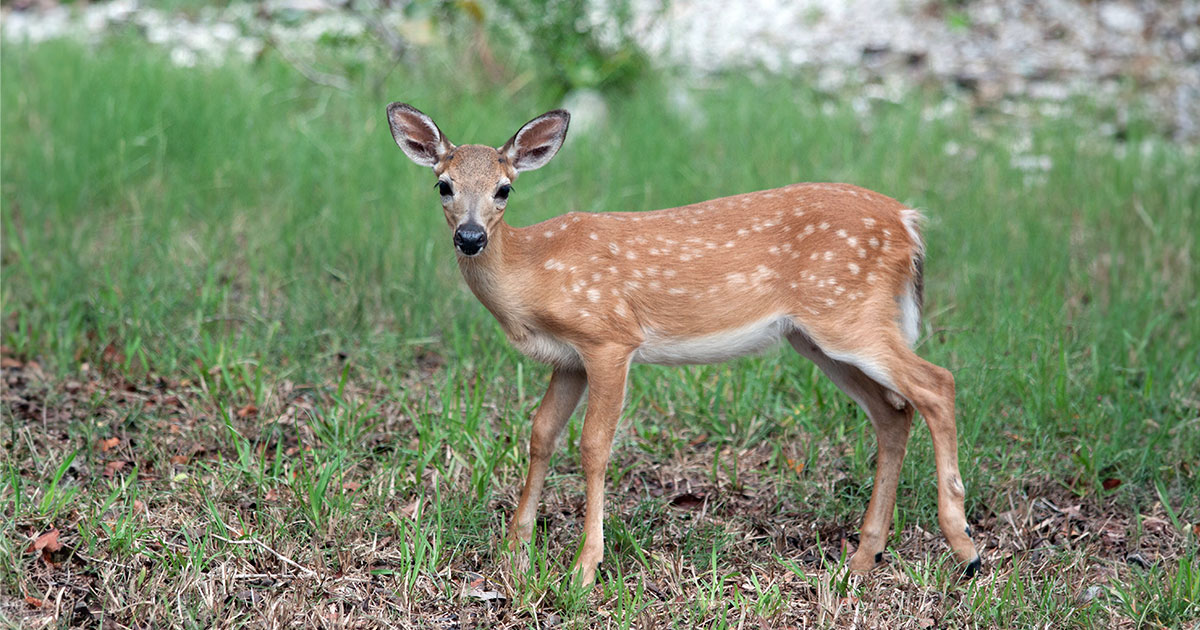
Blue Hole Trail is 0.25 miles long and partially circles one of the few bodies of fresh water on Big Pine Key, a feature that not only attracts Green Herons and Belted Kingfishers, but also brings in migrating warblers, vireos and thrushes.

» Visit this Site

Bahia Honda State Park

This site offers the best of Keys birding habitats: tropical hardwood hammock, coastal berm and beach/dune communities. Walk the two short nature trails at either end of the park, and drive or bike the roadway slowly watching the sea grape and poisonwood trees for White-crowned Pigeons and warblers feeding on the fruits. Low tide along the beach offers shorebirds and waders in the wrackline.

Big Cypress National Preserve

Big Cypress National Preserve

This expansive preserve is a good place to spend the whole day (or several days) exploring what the Everglades ecosystem and Big Cypress Swamp have to offer. Stop at either the Oasis Visitor Center or Big Cypress Swamp Welcome Center for a map and in-depth information. Loop Road (CR 94) is a 24.5-mile scenic drive … Read more

Crane Point Museum and Nature Center

This 63-acre site is a tropical oasis amidst the development in the middle Keys. Thatch palm and tropical hardwood hammock, along with occasional freshwater ponds, provide habitat for both resident and migrating warblers, vireos, tanagers and thrushes. White-crowned Pigeons can be found in the canopies looking for poisonwood berries. A trail loop system with educational signage takes you through four hammock types.

Curry Hammock State Park

This site is the Peregrine Falcon capital of the World! Between mid-September and early November and you can join in the official raptor count for the Keys! Hawkwatch staff interpret the migration to visitors, while counting off the thousands of raptors that pass by the viewing area each fall. This site offers a one-of-a-kind experience during this particular season.

Dagny Johnson Key Largo Hammock Botanical State Park

This park’s 2,500 acres encompass the largest remaining tracts of rockland hammock in the continental U.S. A 0.75-mile paved walking/biking trail takes you into the main public part of the habitat, where you can find breeding populations of Black-whiskered Vireos, Mangrove Cuckoos and White-crowned Pigeons; warblers drip from the trees during migration.This beautiful park suffers only from lack of birder use. Rarities such as La Sagra’s Flycatcher, Thick-billed Vireo and Zenaida Dove have been found here in the past.

Dry Tortugas National Park

Avid birders know the incredible possibilities that exist on this remote island oasis. The southernmost point in the continental U.S., this park offers the seagoing birder opportunities to view species that occur nowhere else in the country. Bush Key hosts the only significant breeding colony of Sooty Terns in the U.S., and from February through August there are literally tens of thousands of these birds loudly claiming their territories.

Fort Zachary Taylor Historic State Park

This park is the first dry land that many migrants see on their northward journey, and the last opportunity to fuel up when heading south. Year-round, this site has hundreds of frigatebirds, shorebirds and seabirds that congregate on the seawall and breakwaters. Rarities occur here frequently, species recorded include Loggerhead Kingbird (2007), Lazuli Bunting (2014) and Bahama Mockingbird (2014).

John D. Pennekamp Coral Reef State Park

While much of the property lies underwater, this park contains 2,900 acres of magnificent mangrove swamps, hardwood hammocks, rivers, springs and coastal rocky areas. Birders will find three short walking trails and the coastal areas of interest for the variety of species they offer, including Gray Kingbirds, Short-tailed Hawks and such Keys specialties as Mangrove Cuckoo, Black-whiskered Vireo and White-crowned Pigeon.

Key West Tropical Forest & Botanical Garden

This 15-acre site offers one of the richest birding experiences in the lower Keys, with 160+ species recorded. Containing tropical hardwood hammock and the only freshwater ponds on Key West and Stock Island, this property is a magnet for resident species such as White-crowned Pigeons and Black-whiskered Vireos. Check the large trees at the entrance for eastern and Western Kingbirds and Scissor-tailed Flycatchers.

Long Key State Park

Two nature trails and a mile of natural shoreline provide easy access to mangrove swamp, rockland hammock, mudflat, beach and coastal berm habitats. The 1.25 mile Golden Orb Trail has enticed birders with rarities such as the Key West quail dove (2014-2016) and the zenaida dove (2016). The trail passes through mangrove swamps where mangrove cuckoos call, and hammocks which provide foraging areas for white-crowned pigeons. Even the parking lot edges can teem with warblers, vireos, and night heron. The shorter Layton Trail (.25 miles) leads to the Florida Bay through a healthy rockland hammock. Along the shoreline, keep an eye out for the reddish egret white morph and wintering piping plovers. Loaner optics and bird guides are available at the ranger station.

National Key Deer Refuge

Key Deer

Blue Hole Trail is 0.25 miles long and partially circles one of the few bodies of fresh water on Big Pine Key, a feature that not only attracts Green Herons and Belted Kingfishers, but also brings in migrating warblers, vireos and thrushes.